Imagine a child who can spot a red balloon from a mile away but struggles to share a toy. That’s a common scenario for many Australian families. When parents notice early signs, they often wonder: “What are the benefits of early autism diagnosis in Australia?” The answer is a treasure trove of advantages that can shape a child's future, ease family stress, and unlock a world of support. Let’s dive into the science, the services, and the real‑world impact of diagnosing autism early in the land down under.
The First Signs: Why Timing Matters
Early detection is like catching a storm cloud before it pours. The first few years of life are a period of https://collinhfoj541.tearosediner.net/joint-attention-deficits-in-toddlers-18-months-what-parents-need-to-know rapid brain development. If interventions begin early, they can tap into this natural plasticity and steer growth in more adaptive directions.
Key Early Indicators
- Sudden loss of babbling or repetitive speech Difficulty with eye contact or social cues Intense focus on a single object or activity Unusual sensory reactions (e.g., extreme sensitivity to lights or sounds)
When a parent spots one or more of these, it’s a cue to seek professional evaluation. The sooner the diagnosis, the sooner tailored support can begin.
Structured Support Systems in Australia
Australia’s health system offers a network of services that kick in once a diagnosis is confirmed. Early identification triggers a cascade of resources designed to fit each child’s unique needs.
How the System Works
Primary Care Referral – General practitioners or paediatricians refer to specialists. Multidisciplinary Assessment – Speech therapists, psychologists, and occupational therapists collaborate. Early Intervention Plans – Individualised programs that may include Applied Behaviour Analysis (ABA), speech therapy, and social skills groups. Government Funding – The National Disability Insurance Scheme (NDIS) provides financial support for services. Because the NDIS operates on a needs‑based model, early diagnosis often leads to earlier access to funded supports, preventing a backlog that can delay intervention later.Educational Advantages
Schools in Australia are increasingly equipped to support autistic learners, but early diagnosis ensures children enter the education system with the right tools.
Benefits for the Classroom
- Individualised Learning Plans (ILPs) crafted before the child reaches critical learning milestones. Early Access to Speech and Language Services within schools, improving communication and confidence. Peer Support Programs that foster inclusion from the start, reducing the risk of bullying or isolation.
Anecdote: When Emma, a 4‑year‑old from Perth, was diagnosed at 18 months, her school introduced a sensory corner before she entered kindergarten. The result? Emma transitioned smoothly, made friends quickly, and her teachers noted a marked improvement in classroom engagement.
Family Well‑Being
Early diagnosis isn’t just a win for the child—it’s a relief for families. Knowing what to expect can reduce anxiety and empower parents to advocate effectively.

How Families Benefit
- Clear Expectations: Understanding the developmental trajectory helps parents set realistic goals. Access to Support Groups: Communities like Autism Spectrum Support Network Australia offer peer advice and emotional support. Financial Planning: Early NDIS participation allows families to budget for ongoing therapies and assistive technologies.
“Knowing the diagnosis early gave us a roadmap,” says Daniel, a father from Melbourne. “We could plan, not just react.”
Economic Impact: Cost Savings Over Time
Investing in early intervention can reduce long‑term costs associated with unmet needs. Studies in Australia show that for every dollar spent on early intervention, there is a return of approximately $2 in future savings—thanks to fewer special education placements, reduced health care costs, and increased workforce participation later in life.
Rhetorical Questions to Ponder
- How many opportunities slip away when a child’s early signs go unnoticed? What if the first steps toward independence could be taken sooner? Isn’t it worth exploring every avenue to give a child the best start?
These questions highlight the urgency of early action.
Metaphorical Insight
Think of early diagnosis as a lighthouse on a rugged coast. It doesn’t prevent the waves, but it guides ships safely to shore, avoiding costly collisions. The same applies to a child’s developmental journey—early guidance steers them toward a smoother path.
The Role of Technology
Australia’s tech ecosystem is booming, and digital tools are becoming integral to early autism support.
Helpful Apps and Tools
- Speech‑to‑Text Apps: Aid communication for non‑verbal children. Social Stories Apps: Visual guides that explain new routines. Wearable Sensors: Monitor physiological responses to manage sensory overload.
By integrating these tools early, families can personalize interventions that fit the child’s rhythm.
A Quote That Resonates
> “Early intervention is not a luxury; it’s a lifeline that can transform a child's trajectory.” – Dr. Lisa McCarthy, Child Development Specialist
This perspective underscores the transformative power of timely diagnosis.
Navigating the Process: Practical Steps
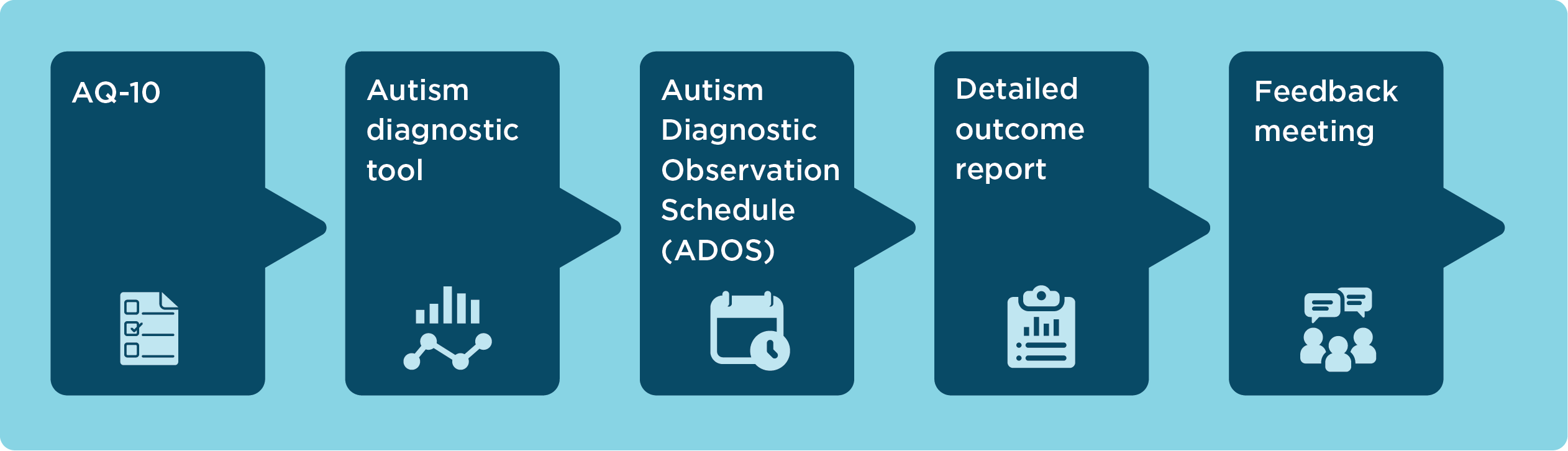
Observe: Keep a simple diary of behaviours that concern you. Consult: Talk to your child’s paediatrician; they can refer you to specialists. Assess: Undergo a multidisciplinary evaluation—often the first step toward formal diagnosis. Plan: Work with therapists and educators to design an early intervention plan. Advocate: Engage with the NDIS to secure funding and ongoing support. li26li26/li27li27/li28li28/li29li29/li30li30/##The Bottom Line: Early Diagnosis is a Catalyst
When you ask, Screening tools “What are the benefits of early autism diagnosis in Australia?” the answer unfolds across several domains: accelerated developmental gains, smoother educational transitions, reduced family stress, economic savings, and a stronger sense of community support. It’s not merely about a label; it’s about unlocking a network of resources that can steer a child toward their fullest potential.
A Call to Action
If you suspect early signs in a child, don’t wait for the next school year. Reach out to your paediatrician, start a diary, and consider an early assessment. In Australia, the infrastructure is in place to support families who act promptly. By doing so, you’re not just diagnosing—you’re investing in a brighter, more inclusive future for your child.